Is Japanese Whisky Worth Collecting? A Realistic Guide
Quick Takeaway
- Japanese whisky has outperformed most alternative asset classes over the past decade, but the market is cooling from its 2020 peak
- Only a handful of bottles consistently appreciate: aged Yamazaki, aged Hibiki, Karuizawa (any), Chichibu limited releases, and a few discontinued Nikka expressions
- JSLMA compliance matters for long term value: bottles verified as genuine Japanese whisky hold value better than non compliant alternatives
- Storage conditions make or break collectible value: temperature, light, and humidity can destroy thousands of dollars overnight
- This is not a guaranteed investment. Most bottles you buy will not appreciate. Collect what you love drinking, and treat any appreciation as a bonus
Why Japanese Whisky Became Collectible
The collecting boom traces back to two forces colliding at once: international awards that put Japanese whisky on the global map, and severe stock shortages that made aged expressions genuinely scarce.
When Suntory pulled Hibiki 17 from regular production around 2018 (citing depleted aged stock), secondary market prices doubled within a year. The same pattern had already played out with Yamazaki 18, which went from a premium but accessible bottle to a collector tier trophy as allocation dried up.
The backstory matters. During the domestic whisky recession of the 1980s through early 2000s, Japanese distilleries dramatically cut production. Barrels that would have been laid down in those decades simply do not exist. That means aged expressions from Yamazaki, Hakushu, Yoichi, and Miyagikyo are drawing from a finite and shrinking pool of mature stock. No amount of demand can create whisky that was never distilled.
This genuine scarcity is what separates collectible Japanese whisky from pure hype. The stock shortage is real, documented, and not going away for at least another decade. (For the full backstory, see our history of Japanese whisky and our guide to how barrels and aging shape Japanese whisky.)
Which Bottles Hold Value
Not all Japanese whisky appreciates. Most bottles you can buy today will be worth roughly what you paid in five years, possibly less. Here are the categories that have shown consistent collector demand.
Tier 1: The Blue Chips
These are the bottles with the strongest track record at auction and the most liquid secondary market.


Yamazaki 18 is the flagship collector bottle. Retail around the collector tier, secondary market prices have remained stable to rising since the mid 2010s. Deep sherry influence, Mizunara oak notes, and Suntory’s prestige make this the benchmark. JSLMA compliant.
Hibiki 21 represents the pinnacle of Japanese blending. Dried apricot, sandalwood, incense, and an extraordinarily long Mizunara finish. Limited allocation keeps supply tight. JSLMA compliant.
Hakushu 18 is harder to find than either Yamazaki 18 or Hibiki 21, and commands comparable prices at auction. The forest highland character and gentle smoke make it distinctive enough to drive dedicated collector demand. JSLMA compliant.
Karuizawa (any vintage) is the closest thing Japanese whisky has to a sure bet. The distillery ceased production in 2000, was formally closed in 2011, and the original buildings were later demolished. Every bottle opened reduces remaining supply permanently. Christie’s held a dedicated Karuizawa cask sale in March 2026 (“A Final Chapter: The Last Karuizawa Casks from the Collection of Sukhinder Singh”), signaling that even remaining cask stock is being bottled and sold. Single cask Karuizawa bottles regularly sell for five and six figures at auction.
Tier 2: Strong Appreciators


Hibiki 17 was discontinued from regular production around 2018. Bottles in good condition with original packaging command strong premiums over the original retail price. JSLMA compliant.
Yoichi 15 benefits from Nikka’s decision to discontinue most aged single malts. Bold, peated, and coal fired still character gives it a unique profile among Japanese whiskies. JSLMA compliant.
Yamazaki 12 sits in an interesting position: too expensive for casual drinking for many buyers, but produced in sufficient volume that it is not truly scarce. It appreciates slowly and steadily, but don’t expect dramatic returns. Think of it as a store of value rather than a growth asset. JSLMA compliant.
Tier 3: Speculative Plays
Venture Whisky
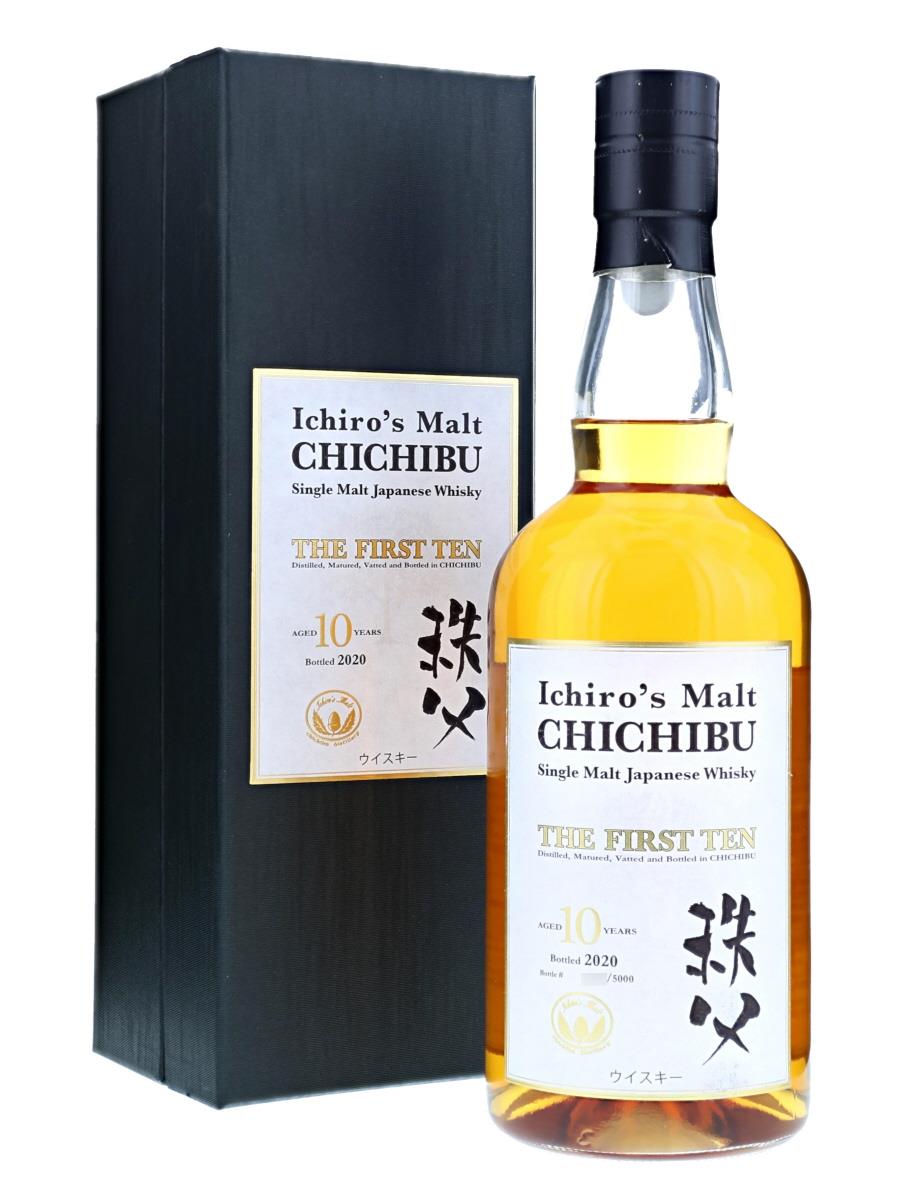
Ichiro's Malt Chichibu The First

Venture Whisky
Ichiro's Malt Chichibu London Edition 2024
Venture Whisky
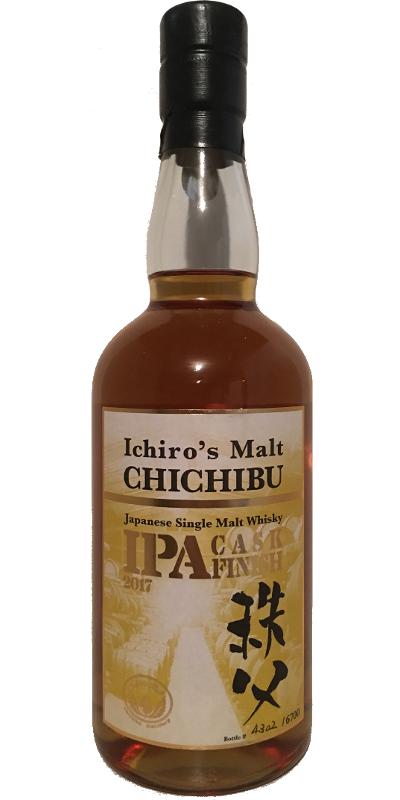
Ichiro's Malt Chichibu IPA Cask Finish
Chichibu limited releases from Chichibu (Venture Whisky) are the most actively collected modern Japanese whisky. Ichiro’s Malt Chichibu The First set the template: a young distillery with tiny production runs, charismatic founder Ichiro Akuto, and genuine craft credentials. Limited editions sell out instantly and trade at multiples of retail.
The risk: Chichibu is expanding production capacity. As more whisky matures and enters the market, some limited editions may lose scarcity value. The Ichiro’s Malt Card Series (featuring playing card labels) remains the most coveted set in Japanese whisky collecting, with complete sets reportedly trading at six figure sums. But these were bottled from Hanyu Distillery stock, not Chichibu, making them irreplaceable.
Yamazaki Limited Edition 2023 and similar annual limited editions from Suntory generate instant collector interest but have a more mixed track record at auction. Some appreciate, some don’t.
The JSLMA Factor
Here is something most collecting guides miss: JSLMA compliance is becoming a price signal.
The Japan Spirits & Liqueurs Makers Association established voluntary standards in 2021 (with full compliance enforced from April 2024) defining what can be called “Japanese Whisky.” Products must be fermented, distilled, matured for at least three years, and bottled in Japan, using Japanese water sources.
For collectors, this creates a clear dividing line. JSLMA compliant bottles carry a verified provenance: you know the whisky was made in Japan. Non compliant bottles may contain imported bulk whisky blended and bottled in Japan, which undercuts the “Japanese whisky” narrative that drives collector premiums.
Every collector tier bottle in our database that has appreciated significantly is JSLMA compliant. That is not a coincidence. Buyers at auction want verified authenticity, and JSLMA compliance provides it.
This does not mean non compliant bottles are worthless. Nikka From The Barrel (which contains imported Ben Nevis malt from Scotland) is an exceptional whisky at 51.4% ABV and an incredible value. But it is not a collector play, and its secondary market premium is minimal.
The rule: if you are buying to collect, verify JSLMA compliance first. Our product pages show compliance status for every bottle we list.
Where Japanese Whisky Is Sold at Auction
The major auction houses have all developed dedicated whisky departments:
Bonhams pioneered the rare spirits auction market and remains a global leader. They hold regular whisky auctions in Edinburgh, London, and Hong Kong, with specialists who inspect every bottle. Bonhams set numerous Japanese whisky records in the 2010s and early 2020s.
Christie’s runs periodic dedicated Japanese whisky sales, including the landmark Karuizawa cask sale in 2026. London and Hong Kong are their primary whisky auction locations.
Sotheby’s entered the spirits auction space more recently but has built a credible whisky department with sales in New York, London, and Hong Kong.
Whisky Hammer and Scotch Whisky Auctions are specialist online platforms that run more frequent sales with lower minimum lots. These are where most individual collectors buy and sell.
Dekanta in Japan specializes in Japanese whisky and runs auctions accessible to international buyers, with the advantage of sourcing directly from the Japanese domestic market.
Honest Warnings
Most bottles will not appreciate
The vast majority of Japanese whisky available today is produced in sufficient volume that scarcity is not a factor. Buying a bottle of Suntory Toki or Hakushu 12 and expecting it to double in value is not a strategy. It is wishful thinking.
The market has cooled
Japanese whisky secondary market prices peaked around 2020 and have moderated since. Some bottles that traded at extreme premiums have come back to earth. The Rare Whisky 101 indices, which track auction performance across whisky categories, show that while Japanese whisky still outperforms most categories over a ten year window, year on year returns have normalized.
Storage is everything
A collector tier bottle stored poorly is worth less than one stored properly. The requirements:
- Temperature: Consistent 15 to 18°C (59 to 64°F). Fluctuations are worse than slightly high steady temperatures
- Light: Complete darkness. UV breaks down whisky compounds and fades labels
- Humidity: 50 to 70% relative humidity. Too dry and corks shrink, letting air in. Too humid and labels develop mold
- Position: Upright. Unlike wine, high proof spirit degrades cork if stored on its side
- Seal: Original packaging matters. Boxes protect from light and add value at auction
Counterfeits exist
As prices rise, so do fakes. Refilled bottles, fake labels, and misrepresented vintages have all appeared in the Japanese whisky market. Buy from reputable auction houses and retailers. If the price seems too good to be true on a rare Yamazaki or Karuizawa, it probably is.
Liquidity is not guaranteed
Unlike stocks or bonds, you cannot sell a bottle instantly at a known price. Auction houses take weeks to months from consignment to sale. Commissions (buyer’s premium plus seller’s commission) typically run 20 to 30% combined. Factor this into any return calculations.
A Realistic Collecting Strategy
If you want to collect Japanese whisky with an eye toward value, here is a framework:
Buy what you enjoy drinking. If a bottle never appreciates, you still have excellent whisky. This is the only hedge that always pays off.
Focus on JSLMA compliant bottles. Verified Japanese whisky will hold its provenance value better than ambiguously sourced alternatives.
Target discontinued expressions. Hibiki 17, Yoichi 15, and any aged expressions from distilleries that have reduced or eliminated their aged lineup are structurally scarce.
Watch the craft distilleries. Chichibu, Akkeshi, and Kanosuke are producing limited editions that generate strong collector demand. The risk is higher (young distilleries, unproven long term track record), but so is the potential upside.
Buy at retail when possible. Paying secondary market markup reduces your margin for appreciation. If you can score allocated bottles at retail (through lottery systems in Japan, loyal customer programs at trusted online retailers, or airport duty free), your basis is much better.
Keep original packaging. Box, tissue, booklet, everything. Presentation condition significantly affects auction value.
Document provenance. Keep receipts. A bottle with a clear purchase history from a reputable source is worth more than one with unknown origins.
What Not to Collect
NAS (No Age Statement) standard releases from major producers. These are produced in volume and will not become scarce. (For more on why NAS exists and which NAS bottles are worth trying, see our beginner’s guide.)
Non compliant bottles marketed as Japanese whisky. Brands like Tenjaku, Kurayoshi, and some Togouchi expressions use imported whisky. Their “Japanese whisky” appeal is built on marketing, not JSLMA verified production. If the market tightens its definition of Japanese whisky (which JSLMA standards are already doing), these bottles lose their narrative.
Opened bottles. An opened bottle has zero collector value. This should be obvious, but it bears stating.
Bottles from unknown producers with no track record. The craft distillery boom has created dozens of new brands. Most will not survive long enough to become collectible. Stick to producers with demonstrated quality and a following.
The Bottom Line
Japanese whisky collecting can be rewarding, both for the joy of building a curated collection and for the potential financial returns. But it is not passive income, it is not guaranteed, and it requires real knowledge about what is scarce, what is authentic, and what is just expensive.
The collectors who do well are the ones who genuinely understand the whisky: they know which distilleries are expanding, which are constrained, which expressions are being discontinued, and which new releases have genuine craft behind them.
If that sounds like you, start with bottles you love, verify JSLMA compliance, store them properly, and be patient. The whisky is not going anywhere. The question is whether the market will come to you.